The Unexpected Magic of Birdwatching on Safari
I love hummingbirds. Who doesn’t?
We have several bird feeders at our house, and I’m always delighted when one of those tiny, shimmering visitors appears. I enjoy watching birds at home—but until I went on safari, I would never have called myself a “bird person.”
Then Africa happened.
Of course, I went on safari dreaming of elephants, lions, giraffes and leopards. Those animals are every bit as magnificent as you imagine. But no one had prepared me for the birds.
The variety. The colors. The sheer numbers.
Birds in Africa aren’t simply background scenery. They are part of the show.
You may spot a lilac-breasted roller looking as though someone painted it using every beautiful color left in the box. Flamingos can transform a lake into a moving ribbon of pink. Tiny bee-eaters flash through the air in brilliant shades of green, gold and blue. A stately secretary bird strides through the grasslands on long legs, looking like it has somewhere very important to be.
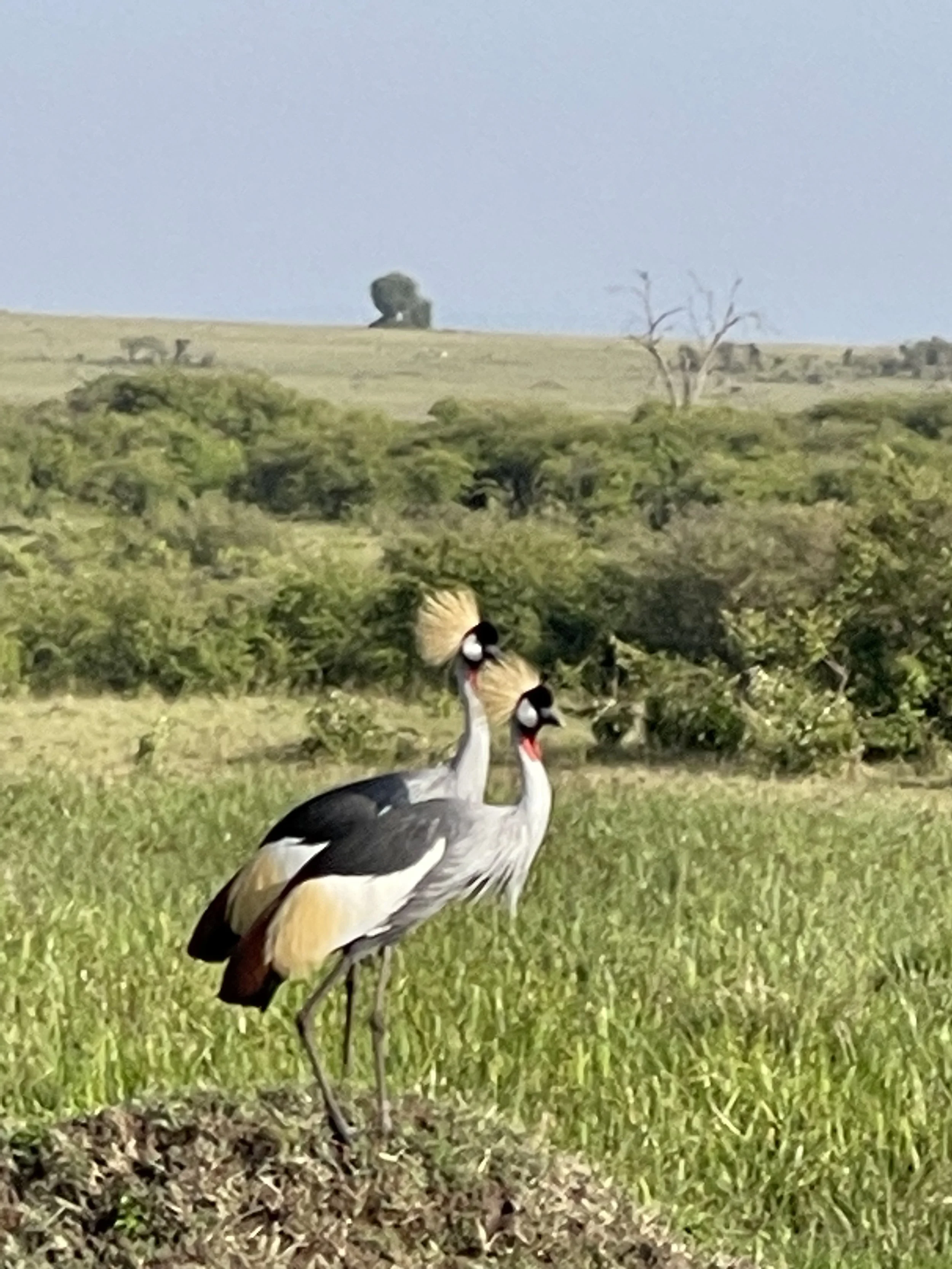
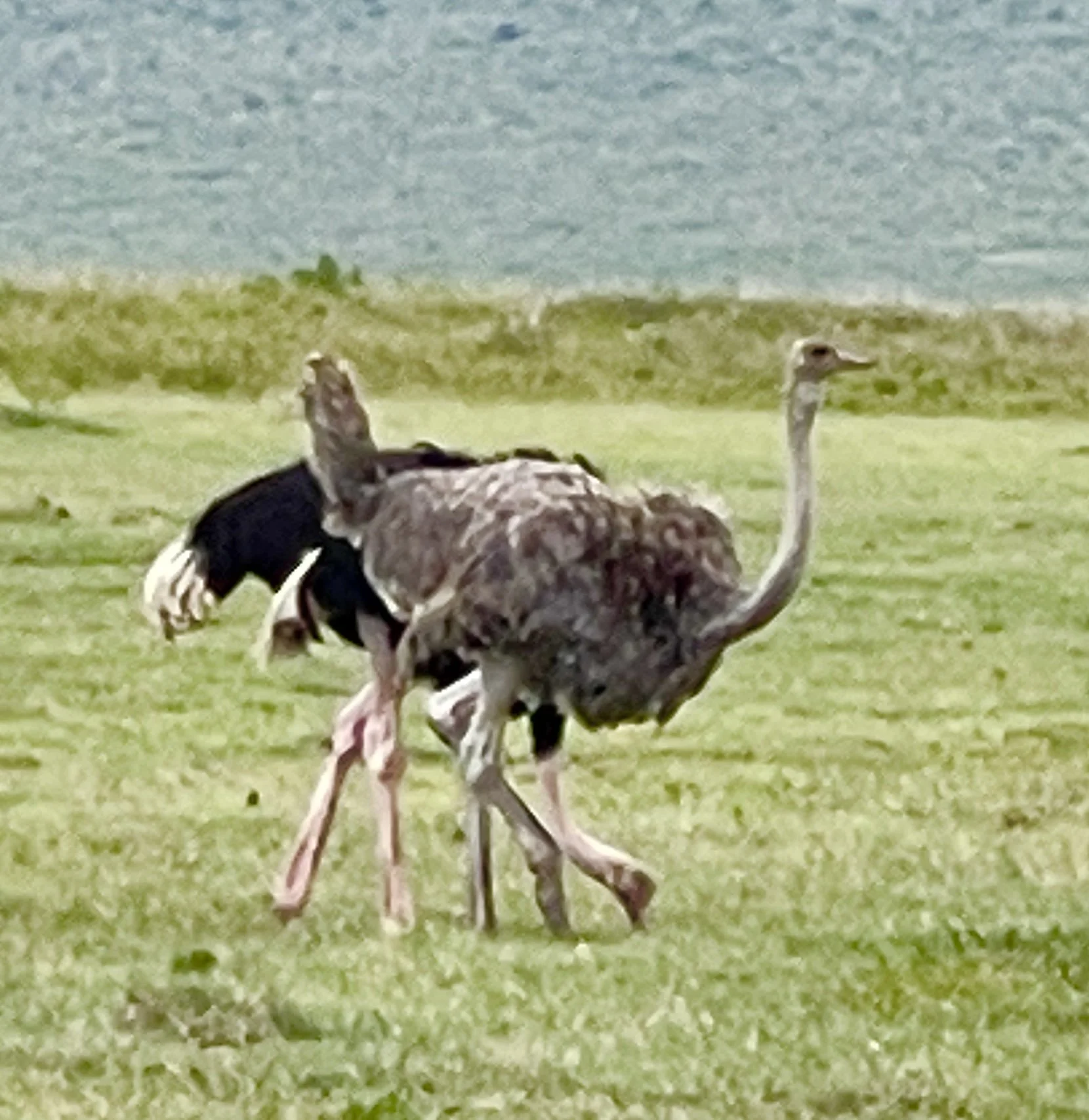
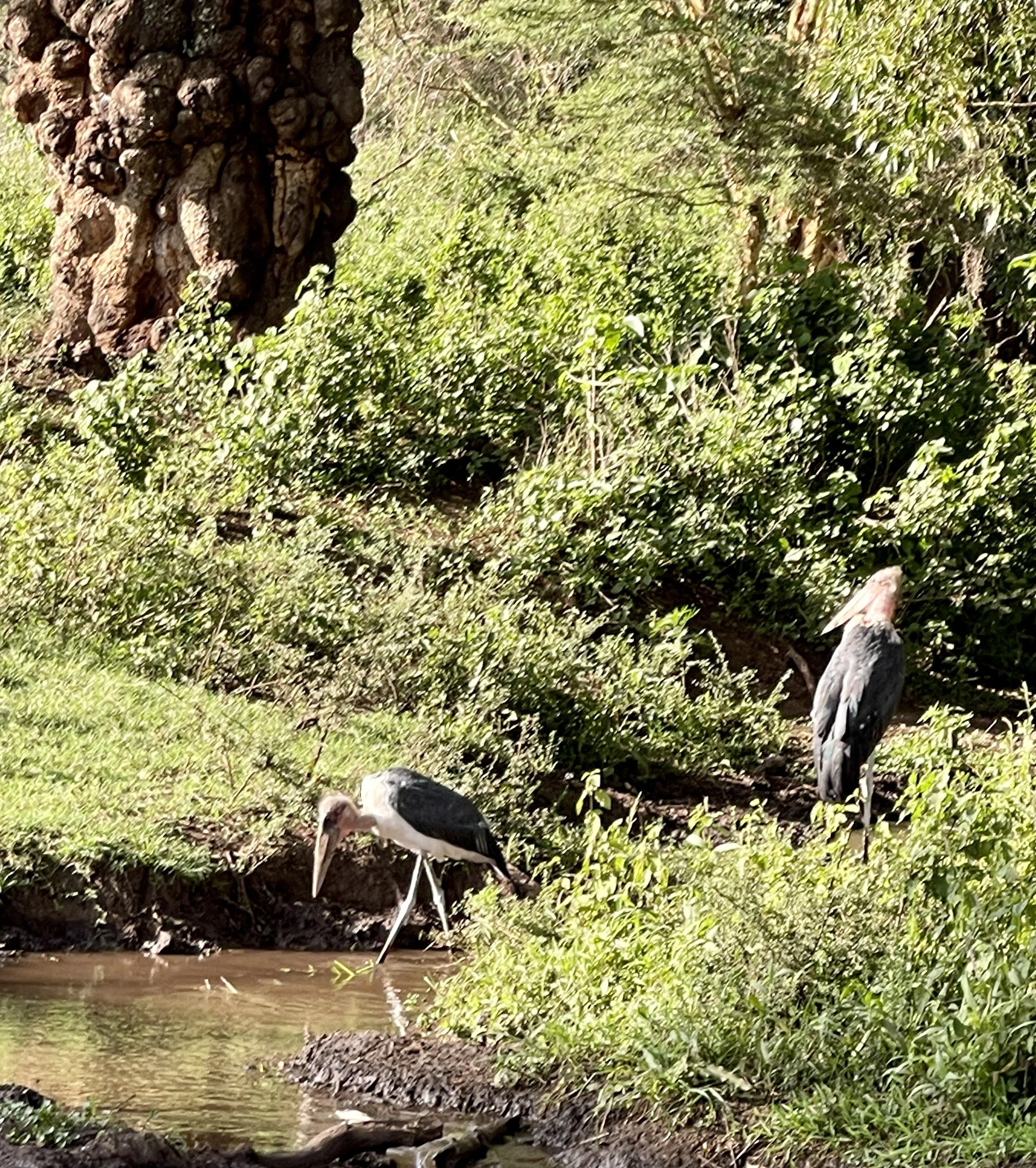
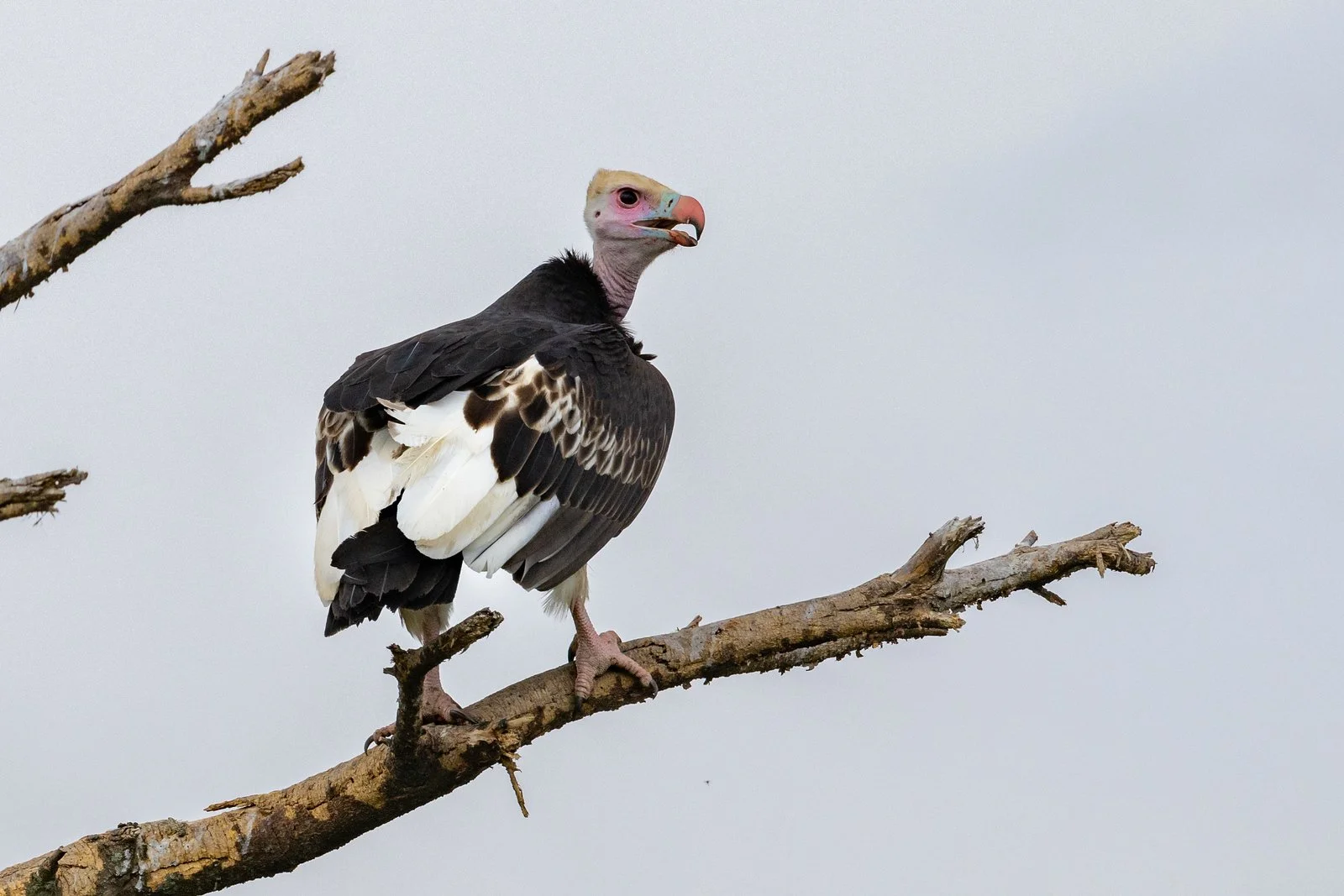
Then there are hornbills, kingfishers, storks, cranes, weavers, vultures and ostriches. Some are elegant. Some are comical. Some are so unusual that you may wonder whether they were designed by a committee with a very lively imagination.
And you don’t have to be an experienced birdwatcher to enjoy them.
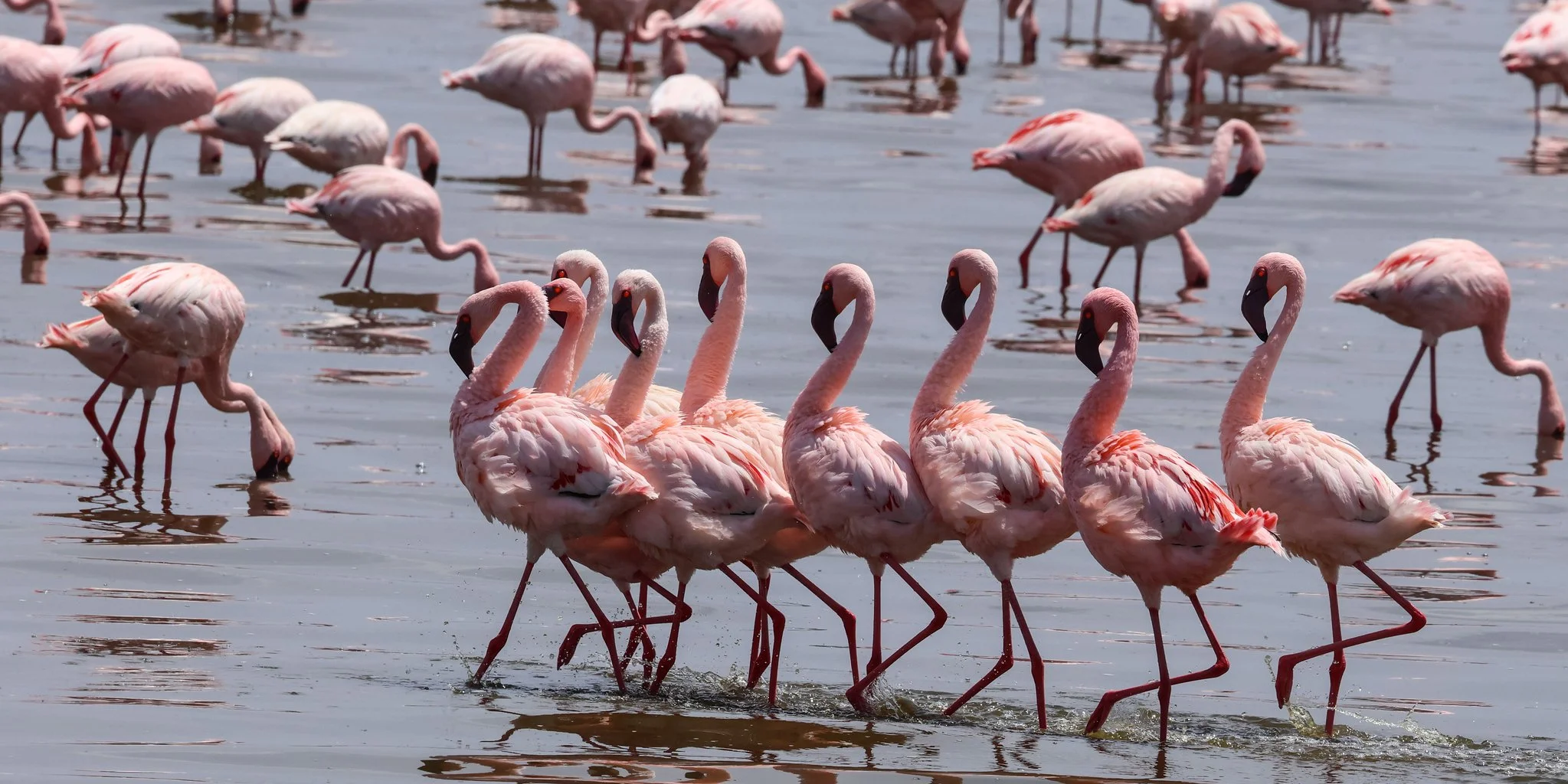
You don’t need a life list, a special vest or the ability to identify a bird from one distant chirp. You only need to look up.
That may be what surprised me most. On safari, birdwatching becomes almost effortless. While you’re waiting for a lion to stand or watching a herd of elephants cross the road, your guide may point toward a nearby branch. Suddenly, there it is: a bird so colorful and striking that it deserves just as much attention as the larger animals.
African birds are also woven into everything happening around them. Oxpeckers hitch rides on giraffes, buffalo and rhinos. Vultures circle overhead, watching the landscape below. Fish eagles call from trees near rivers and lakes. Brilliant little birds dart through the brush while enormous storks patrol the wetlands.
The more you notice them, the more alive the landscape becomes.
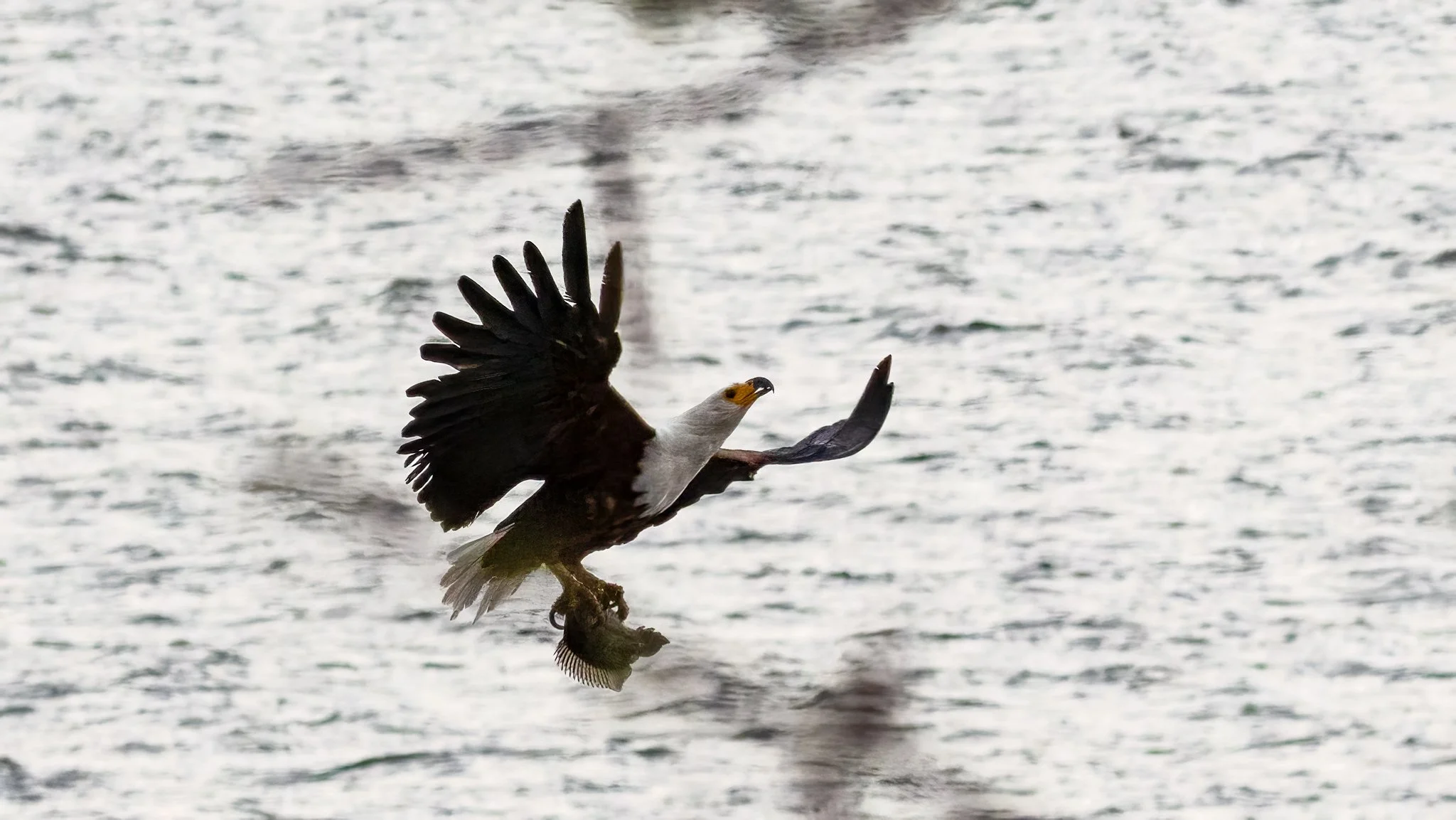
That is one of the gifts of safari: it teaches you to pay attention. At first, everyone is searching for the biggest animals. But gradually, you begin to see the smaller stories—the flicker of wings in a tree, the careful construction of a weaver’s nest, or the flash of color that disappears almost as quickly as it arrived.
A safari can turn an ordinary bird lover into a passionate one. It can also turn someone who never gave birds much thought into the person whispering, “Wait! What was that?” every few minutes.
I still love seeing hummingbirds at our feeders. But Africa changed the way I look at birds. Now I understand that they aren’t simply decorating the landscape. They are characters in its story—colorful, noisy, graceful, peculiar and endlessly fascinating.
People dream of an African safari for the lions, elephants and giraffes. And they should.
Just don’t forget to look up.
You may arrive hoping to see the Big Five—and come home completely enchanted by the ones with feathers.
Contact Joy at 405-885-8900 or joy@thejoyoftravel.net