
I left my heart in Kenya: Why Ol Pejeta Conservancy Matters
There are places you visit once and remember fondly.
And then there are places that change the way you understand a destination.
For me, Ol Pejeta Conservancy is one of those places.
I have stayed at Ol Pejeta once and will return this February. I include it in every Kenya tour I create for my travelers. Not simply because the wildlife viewing is extraordinary—but because a stay here reveals something important: a safari can be more than an unforgettable trip. It can also help protect the animals, landscapes, and communities that make the experience possible.
More Than a Protected Place
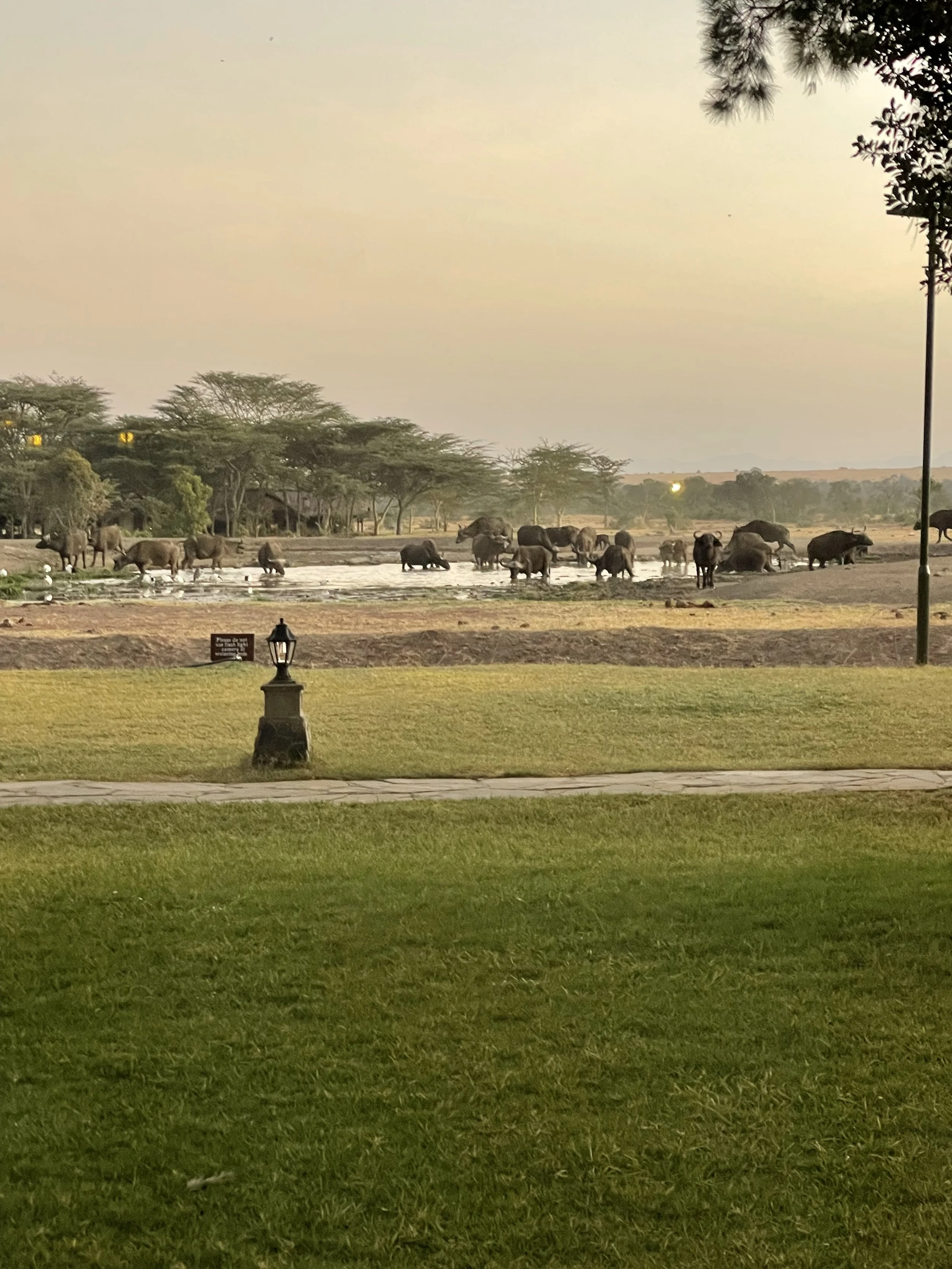
Set on 90,000 acres in Kenya’s Laikipia region, Ol Pejeta is not a national park. It is a conservancy: a place where wildlife protection, habitat management, tourism, community partnerships, and sustainable land use work together.
That distinction matters.
Conservation is not simply about drawing a boundary around wildlife. Animals need room to move. Habitats need active care. Rangers and researchers need equipment and training. And conservation cannot thrive for the long term unless the people living near protected lands can share in its benefits.
At Ol Pejeta, these pieces are connected. Revenue from tourism and other enterprises is reinvested in wildlife and habitat protection and in programs serving neighboring communities. The result is a living, working model of how people and wildlife can have a future together.
Meeting the Rhinos—and Understanding What Is at Stake
Ol Pejeta is home to the world’s last two northern white rhinos, Najin and Fatu. Knowing they are the final two of their kind is difficult to comprehend until you are standing near them.
It is a privilege, but it is also sobering.
Their story makes extinction feel immediate and personal. It is no longer an abstract idea from a documentary or an alarming number in an article. It has a face. It breathes. It grazes quietly in the Kenyan sunshine.
Yet Ol Pejeta is also a place of hope and determined action. Scientists and conservation partners continue working on assisted-reproduction efforts intended to give the northern white rhino another chance. The conservancy also protects the largest single population of eastern black rhinos in Kenya—an important conservation success made possible through vigilant security, careful monitoring, research, and years of commitment.
That combination of heartbreak and hope stays with you. It reminds us that protecting wildlife is neither automatic nor easy. It happens because people decide that these animals are worth fighting for.
Wildlife That Is Truly Wild
Rhinos may be at the center of Ol Pejeta’s story, but they are only part of it.

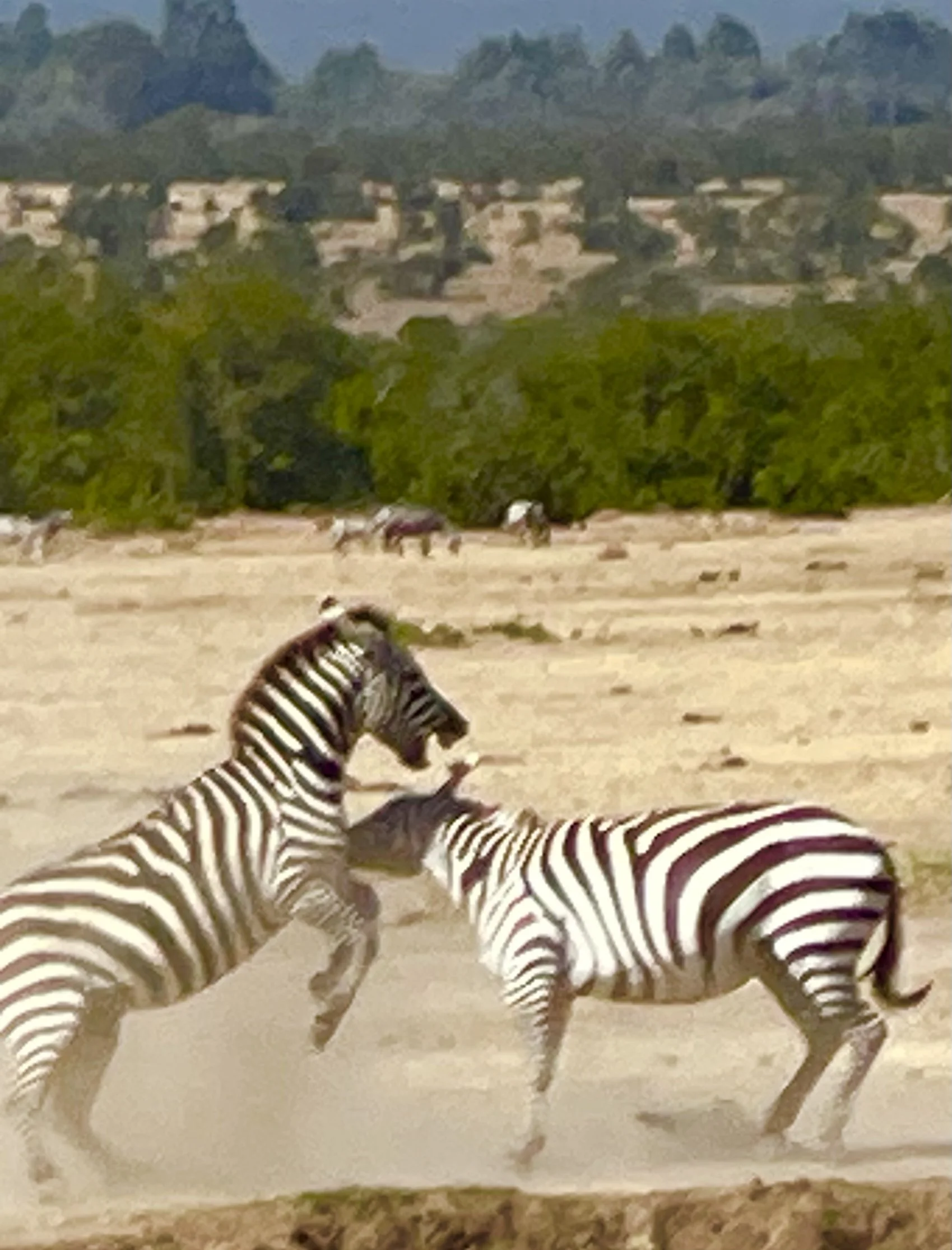
The conservancy protects an extraordinary range of wildlife, including elephants, lions, leopards, cheetahs, African wild dogs, hippos, Grevy’s zebras, and Jackson’s hartebeest. Each drive brings its own possibilities. You may watch an elephant family cross the grasslands, search for a lion nearly hidden in the brush, or encounter a rhino moving through the landscape with a presence that no photograph can quite capture.
Because this is a conservancy, travelers may also have opportunities that are not commonly available inside Kenya’s national parks. Depending on the arrangements and current conditions, experiences can include night game drives, lion tracking, rhino-focused visits, and conversations with people involved in conservation work.
These experiences do more than add excitement to a safari. They help travelers understand what they are seeing—and what it takes to protect it.
A Safe Haven for Chimpanzees
Ol Pejeta is also home to the Sweetwaters Chimpanzee Sanctuary, established in partnership with the Kenya Wildlife Service and the Jane Goodall Institute.
Chimpanzees are not native to Kenya. The animals at Sweetwaters were rescued from traumatic circumstances in West and Central Africa, including the illegal wildlife trade and abusive captivity. At the sanctuary, they receive lifelong care in large, natural enclosures.
Visiting Sweetwaters can be joyful, fascinating, and deeply moving. The chimpanzees’ personalities are unmistakable, but so is the painful history that brought them there. Their stories open a window into the wider consequences of wildlife trafficking—and into the patient, demanding work of giving rescued animals a safe place to live.

Conservation Has to Include People
One of the strongest reasons I support Ol Pejeta is that its work does not stop at wildlife.
The conservancy partners with neighboring communities on education, livelihoods, agriculture, health, and other locally guided priorities. Its community programs work directly and indirectly with tens of thousands of people in the surrounding area.
This is essential, not incidental. Wildlife conservation is more durable when local families can see meaningful benefits, young people have opportunities, and communities have a voice in decisions that affect their lives.
A conservancy should not ask people living nearby to carry the costs of protecting wildlife while travelers receive all the rewards. The strongest conservation models recognize that the well-being of people, animals, and landscapes is intertwined.
What Your Safari Helps Support
When you stay in a conservancy, pay an entrance fee, choose an additional conservation experience, or simply spend time learning from the people doing this work, your visit becomes part of the model that sustains it.

Tourism income can help fund:
Ranger teams and wildlife security
Veterinary care and species monitoring
Habitat restoration and management
Scientific research and conservation technology
Employment and professional training
Education and livelihood programs in neighboring communities
This does not mean that every place using the word conservancy operates in exactly the same way. Travelers should still ask thoughtful questions about wildlife welfare, local leadership, community benefits, and where tourism revenue goes.
But choosing a well-managed conservancy is one tangible way to make our travel dollars reflect our values.
Why Ol Pejeta Is Part of Every Kenya Journey I Create
I want my travelers to come home with more than photographs of beautiful animals. I want them to understand something of Kenya’s complexity, meet people devoted to protecting its natural heritage, and recognize that the future of wildlife depends on choices being made right now.
Ol Pejeta offers that kind of experience.
It gives us moments of wonder, but it also asks us to pay attention. It shows us devastating loss alongside real progress. And it allows us to see that responsible tourism—when it is thoughtfully managed—can be an active partner in conservation.
That is why I will return over and over again. I am also organizing an extended stay where I can actively participate in their conservation program.
That is why I continue to include Ol Pejeta in every Kenya tour I arrange.
And that is why I believe visiting a wildlife conservancy can become one of the most meaningful parts of an African journey. You are not simply seeing wildlife. You are stepping into a larger story—and helping ensure there are still wild stories to tell in the years ahead.
If Kenya has been calling to you, I would love to help you experience Ol Pejeta and the other remarkable places that make this country unforgettable. Let’s create a journey filled with wildlife, connection, and a deeper understanding of the places you visit.
Joy Gawf-Crutchfield
The Joy of Travel